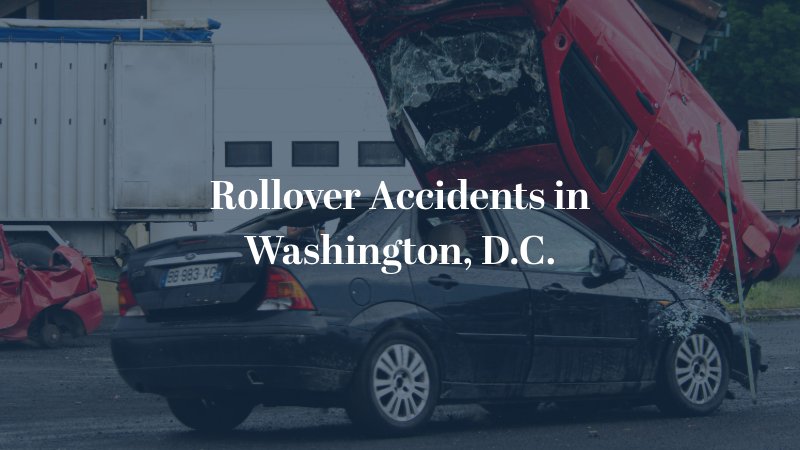
Roll-over accidents involve a vehicle flipping onto its side or roof and are known as some of the most catastrophic types of crashes on the road. Unlike many other collisions, roll-overs involve violent, multi-directional forces that greatly increase the risk of those inside suffering intense or potentially fatal harm. Although they may not happen as often as other types of crashes, anyone involved in a roll-over faces a high chance of lasting injury.
Injuries Commonly Caused by Roll-Over Accidents
The violence of a roll-over crash puts everyone in the car in significant danger. These accidents often cause a range of serious, life-altering injuries, including:
- Traumatic brain injuries (TBIs)
- Spinal cord injuries, including paralysis
- Internal organ damage and bleeding
- Crush injuries and traumatic amputations
- Severe fractures, broken bones, and serious soft tissue injuries
Roll-over victims may face a long road to recovery, extensive medical treatments, or permanent disabilities due to the nature of these injuries. If you or a loved one was involved in a roll-over crash, seeking immediate legal and medical support is crucial to protect your health and future.
Common Causes of Roll-Over Accidents
 Several factors increase the risk of a vehicle tipping over. Here’s a look at some of the primary causes:
High Speeds and Sharp Turns
Roll-overs frequently occur when a driver loses control at high speeds or takes a sharp turn too quickly, forcing the vehicle’s weight to shift in a way that tips it over, especially in taller vehicles or SUVs.
Tire Blowouts or Mechanical Failures
Sudden tire failures can cause a vehicle to veer uncontrollably and flip. Mechanical issues with steering or brakes can also contribute to the inability to keep a car stable and lead to a rollover.
Road Defects or Uneven Surfaces
Badly maintained roads, potholes, roadside slopes, or debris can destabilize a vehicle. This makes it far easier to get into a roll over accident.
Driver Distraction or Impairment
Losing focus due to a phone, passengers, fatigue, or substances slows reaction times and can lead to quick steering corrections that result in a roll-over.
While not all roll-over accidents are avoidable, staying alert to these causes helps lower the risk for everyone on the road.
Insurance Challenges in Roll-Over Accident Claims
Dealing with insurance after a roll-over accident often brings difficulties, especially when injuries are severe and losses add up quickly. Here’s what this can look like:
Disputes About Who Was at Fault
It’s common for insurers to argue that the person injured somehow contributed to the accident, like driving too fast or making a bad maneuver, even when that wasn’t the main cause. This can lead to denied claims because of Washington, DC’s strict and unforgiving contributory negligence laws.
Questioning the Severity of Injuries
Given that roll-overs can cause complex and life-threatening injuries, insurers sometimes work to minimize payouts by challenging the seriousness or source of your injuries.
Low Settlement Offers and Policy Limit Issues
Serious roll-over accidents quickly use up basic insurance coverage, so it’s not unusual to be offered far less than your full losses, especially for permanent harm or future needs. Coverage fights about available limits are also very common.
Insurance issues stemming from roll-over accidents can be complex, making it important to work with a lawyer as soon as possible. Reach out to our team today to schedule a free consultation as soon as you’re ready to get started.